Download the full report soon!
Retrofitting for wellness
Problem Statement
The Hidden Health Crisis in Home Retrofits
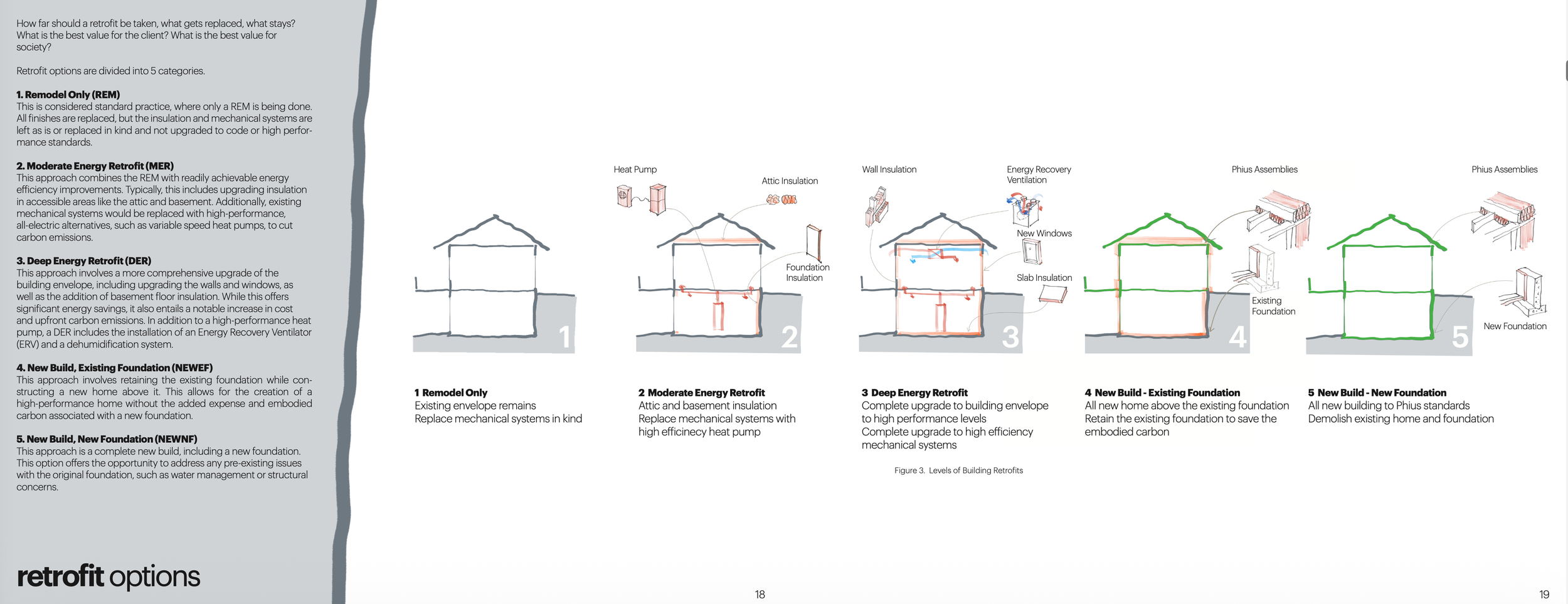
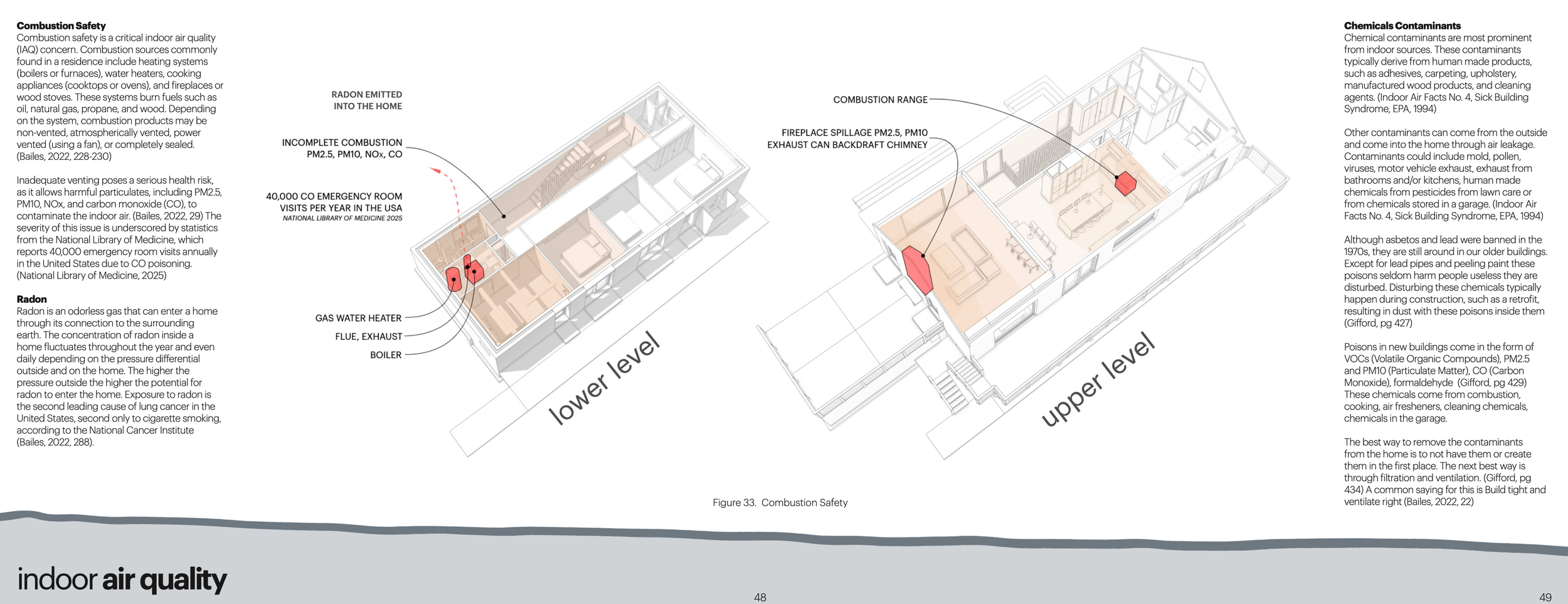
The residential retrofit industry’s decision-making framework primarily focuses on energy efficiency and carbon reduction, unintentionally neglecting durability and Indoor Environmental Quality (IEQ). This oversight has profound implications for the 130 million homes in the United States that will undergo retrofits in the coming decades.
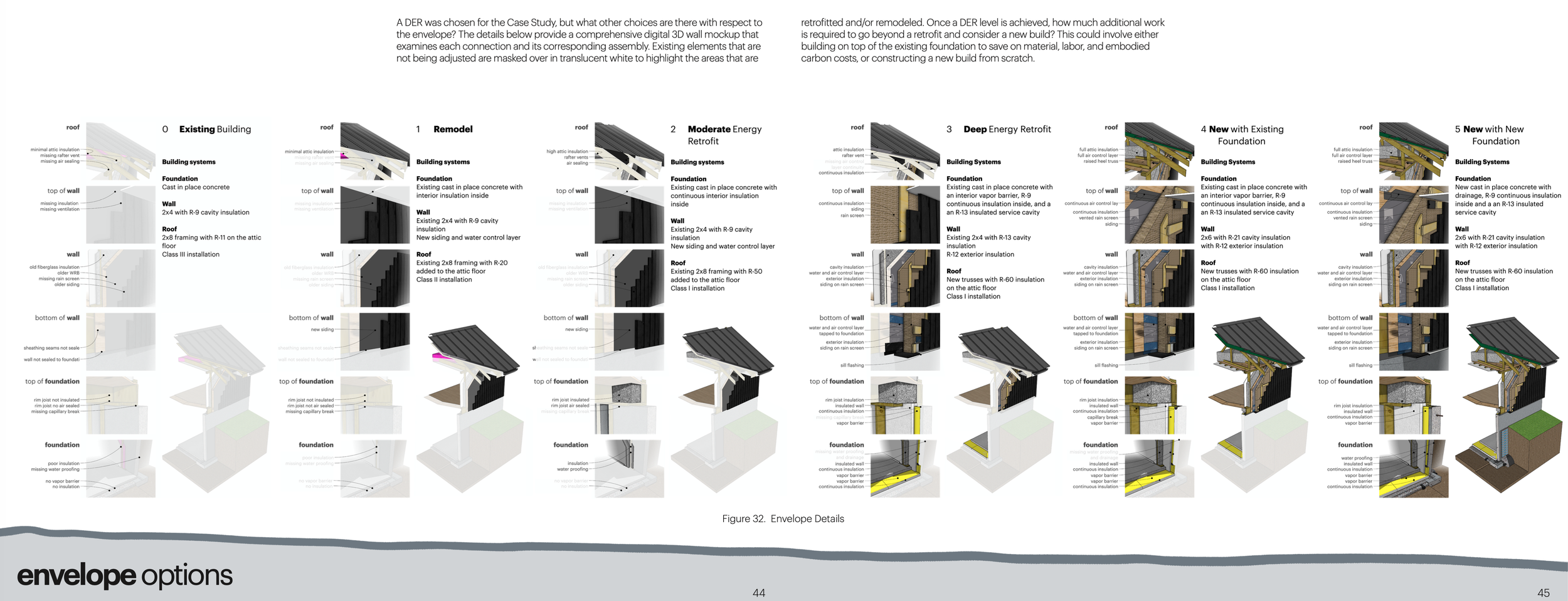
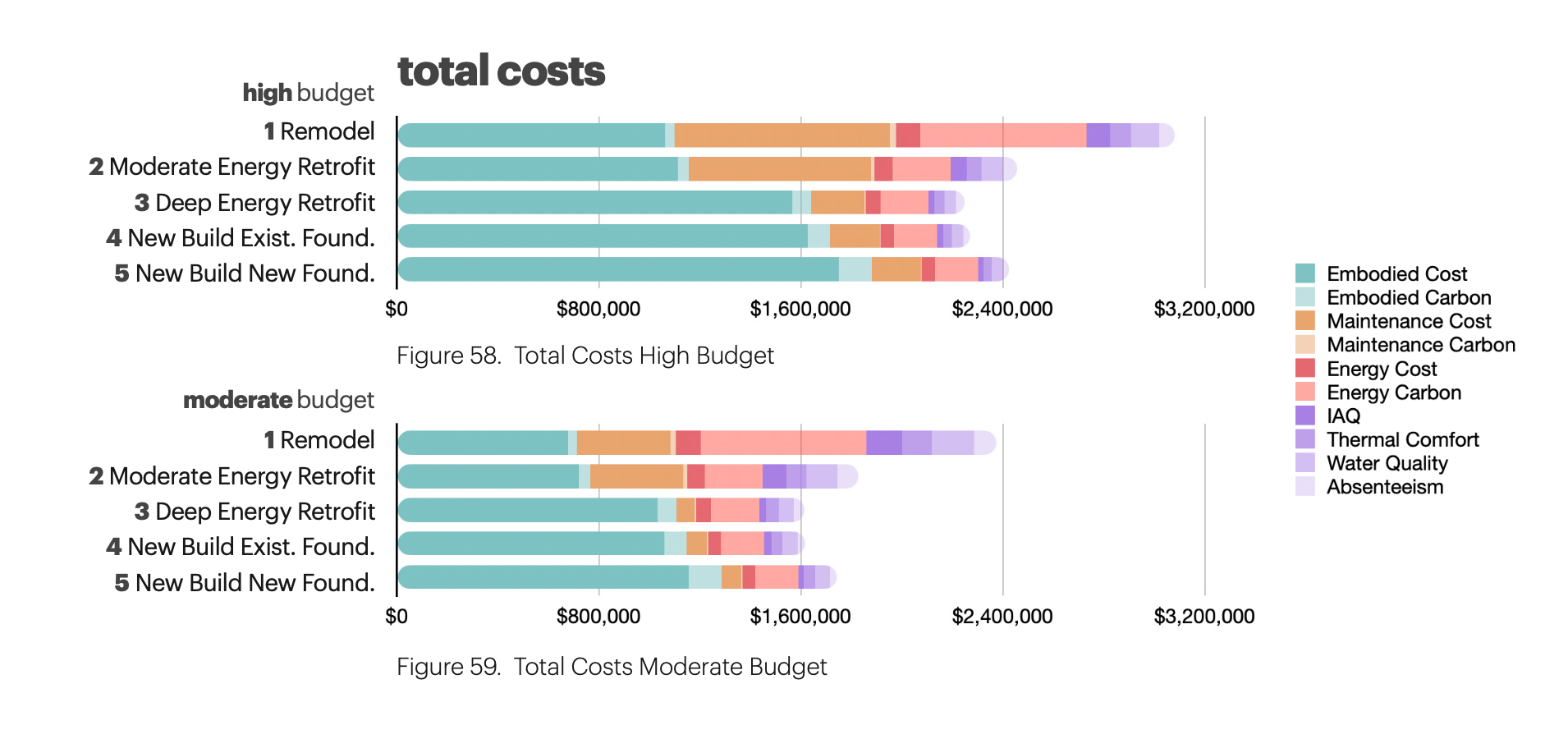
Current life cycle analyses typically conclude their economic assessments in 2050 and favor moderate energy retrofits (MER) over deep energy retrofits (DER). However, these analyses fail to account for the IEQ cost per person in annual medical expenses attributable to poor air quality. These costs do not consider aspects of the retrofit process that directly influence the value of the human experience, such as thermal comfort, water quality, and other IEQ factors.
Consequently, this analytical gap leads homeowners toward retrofit approaches that minimize upfront costs and carbon emissions while unknowingly perpetuating or exacerbating health problems that will cost them thousands and society billions of dollars annually for decades to come.
Thesis Statement
This thesis demonstrates that incorporating IEQ costs and extending life-cycle analyses beyond 2050 significantly alter the economics of home retrofits. Using the WELL Building Standard and societal health costs, this thesis demonstrates that deep energy retrofits or even rebuilding new, which were once considered too expensive, can become economically viable when human health is valued. This thesis shifts the current industry narrative, allowing architects and homeowners to make retrofit decisions that support both environmental sustainability and human well-being.